Film noir
Black and white, one hard light, deep shadow.
8 photos
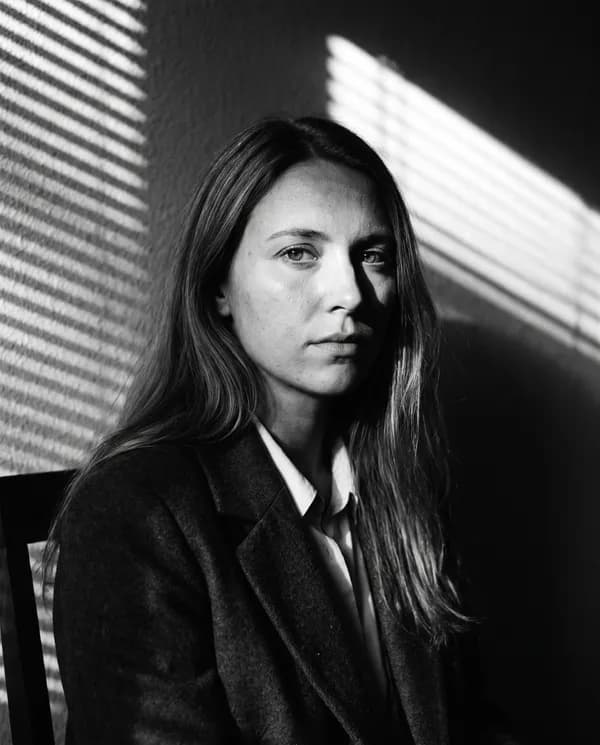
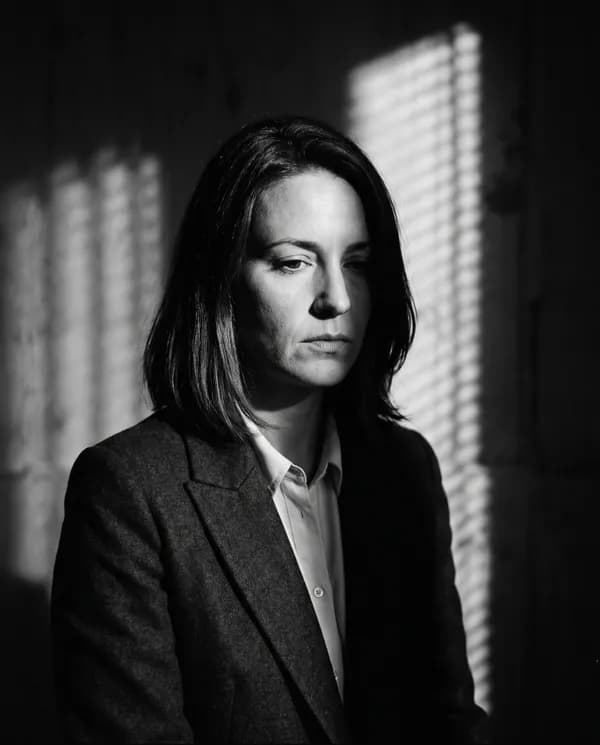
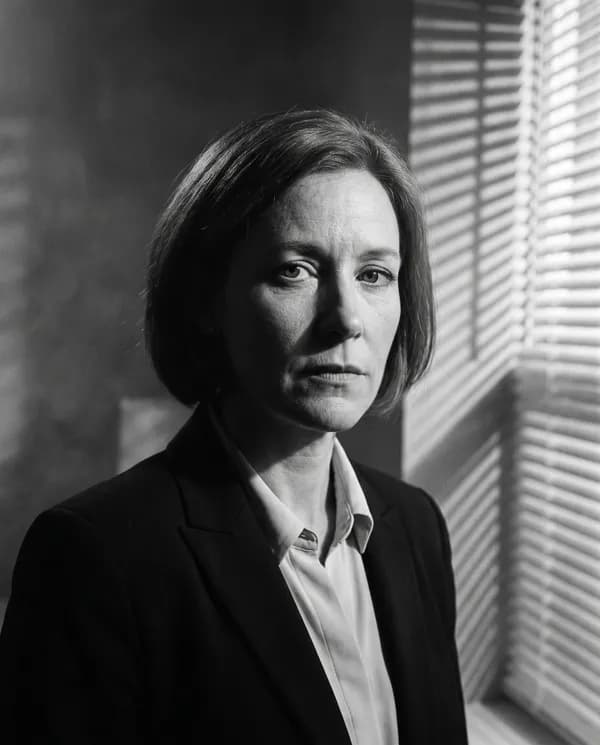
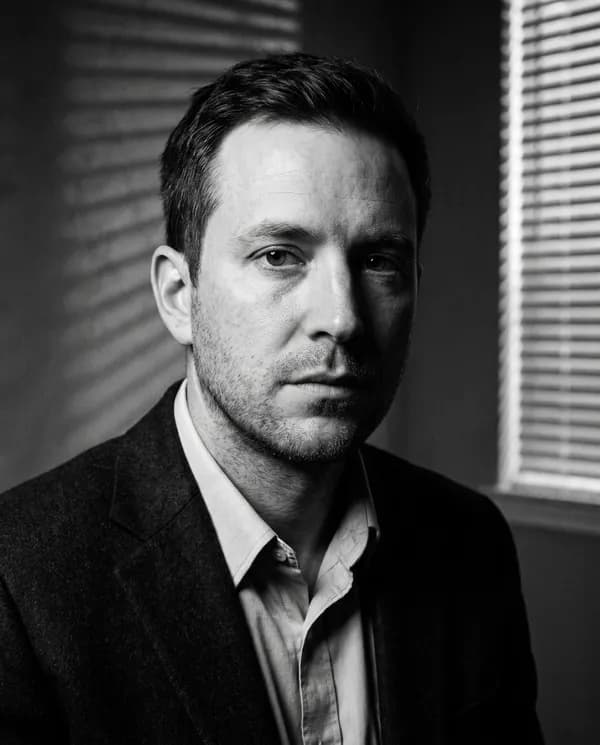
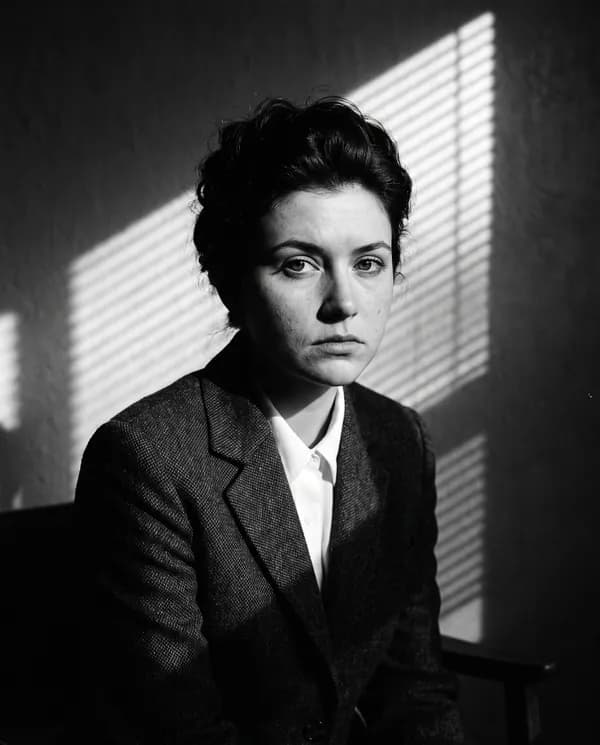
Film noir renders the portrait in black and white, built around a single hard key light placed high to one side of the camera, with venetian blind slats thrown across the wall behind the subject and half the face left in shadow. It borrows its mood from crime pictures shot in the nineteen forties rather than from an ordinary black and white filter over a colour photo.
The subject wears a dark tailored jacket over a pale collared shirt, cropped to head and shoulders with the chin held slightly lowered and a still, unsmiling expression. The contrast is deliberately high: the lit side of the face is bright and detailed, while the shadowed side loses most of its texture into near black.
Because half the face sits in deep shadow, this category depends on a source photo with clear, even light and a recognisable expression to begin with, since there is less of the face left visible once the key light and the shadow are applied.
What makes a good photo to start from
Start from a photo with clear, even light on your face, since half of it will sit in deep shadow once the single key light is applied.
What this look will not do
This is a dramatic, high contrast treatment rather than a literal conversion, so you cannot control the exact shape or angle of the shadow line.
Questions
- Can I get this in colour instead of black and white?
- No, film noir always renders in black and white, since that is the format the crime pictures it borrows its look from were shot in.
- Will I still be recognisable with half my face in shadow?
- The lit side of the face keeps real detail from your source photo, though the shadowed side is deliberately darkened, so start from a clear, well lit photo for the best result.
- Can the venetian blind pattern be changed or removed?
- No, the blind slats thrown across the wall are part of this category's fixed look, so they cannot be swapped for a different background pattern.